How to plan a sprint with a clear, realistic goal
Turn a prioritized backlog into a realistic sprint with clear acceptance criteria and explicit review work.
Sprint planning becomes difficult when the meeting starts with a long list of tasks and no shared outcome. Filling every available slot can look organized while leaving the team uncertain about why those items belong together. A useful sprint begins with a result that people can explain.
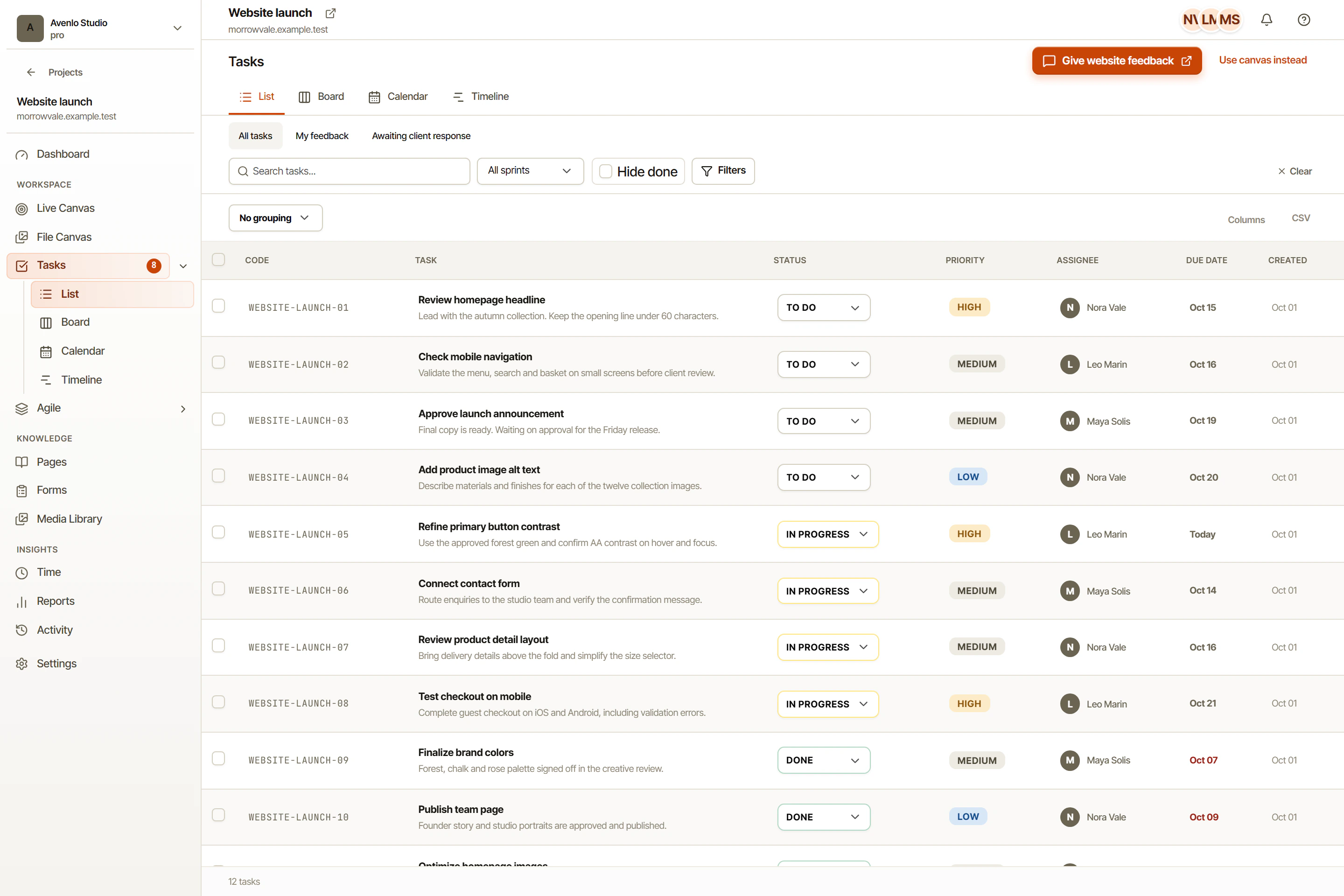
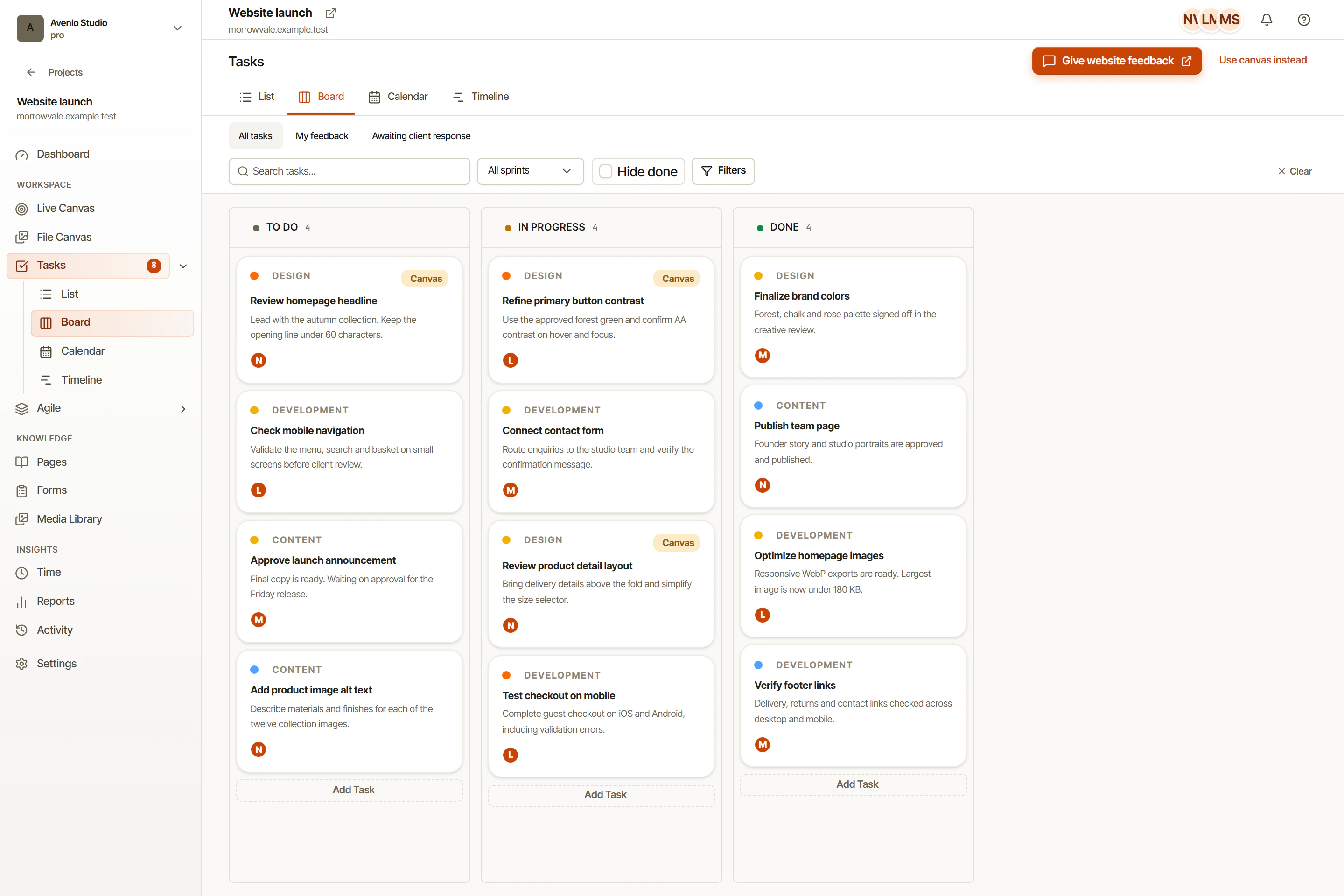
OkFlow includes Agile backlog, board, and sprint workflows. These provide places to organize candidate work and follow execution. The planning decisions still belong to the team: what matters now, what is ready, and what can reasonably be completed within the agreed period.
Make the goal observable
“Improve the website” is broad enough to include almost anything. “Prepare the revised pricing page for stakeholder review” has a clearer boundary. The second goal helps the team distinguish necessary work from improvements that can wait.
Review the candidate items against that goal. Identify missing copy, unresolved design decisions, and external approvals before selecting work. A task can be important without being ready for the current sprint. Record why it is waiting rather than treating every backlog item as an immediate commitment.
Include the work after implementation
Acceptance criteria should describe the outcome that a reviewer can check. For a page update, that may include agreed wording, the relevant responsive states, and a final review with the responsible stakeholder. Those criteria belong in the task’s rich-text description, not only in someone’s meeting notes.
Reserve room for verification and review. A board filled with implemented tasks does not necessarily represent a completed sprint if the intended result remains unconfirmed. Discuss who can approve the work and when that person is available.
Make trade-offs visible during execution
When new feedback arrives, ask whether it changes the sprint goal, adds essential work, or belongs in the backlog. Urgency should be explained rather than inferred from the arrival of a new comment. If the team changes scope, record what was added and what was deferred.
Use task comments to retain the reason behind those decisions. Mentions can bring a specific question to the relevant person, but they do not remove the need for an agreed owner.
End with evidence
Review the result against the original goal and acceptance criteria. Carry unfinished work forward through an explicit planning decision, not by quietly calling it complete. The next sprint benefits from knowing what was learned and what still needs attention. Begin that conversation in OkFlow with a goal small enough to evaluate honestly.
The sprint workspace supports the planning period, while Tasks holds the descriptions and discussion for the work. If the team is mixing uncommitted ideas with active work, revisit the distinction between backlog and board first.